Close

ONO considers global warming and other climate changes to be a major threat to people's health and recognizes them as important issues that affect the continuity of our business activities. For these reasons, the Environment Management Committee, whose activities cover the entire company, and the Carbon Neutrality Sub-Committee, which was established under it, take the initiative to engage in various activities to achieve a decarbonized society.
Risks and opportunities related to climate change are investigated under the leadership of the Environment Management Committee and the TCFD Working Group. They identify, analyze, and evaluate risks and opportunities that may have an impact on our business. For more details, please refer to our disclosure based on the TCFD Recommendation.
We are moving ahead with activities to achieve our medium- to long-term environmental targets.
| Our medium- to long-term environmental targets | Results for FY2025 | |
|---|---|---|
| Greenhouse Gas Emissions (Scope 1+2) |
|
|
| Renewable Energy Rate in purchased electricity |
|
|
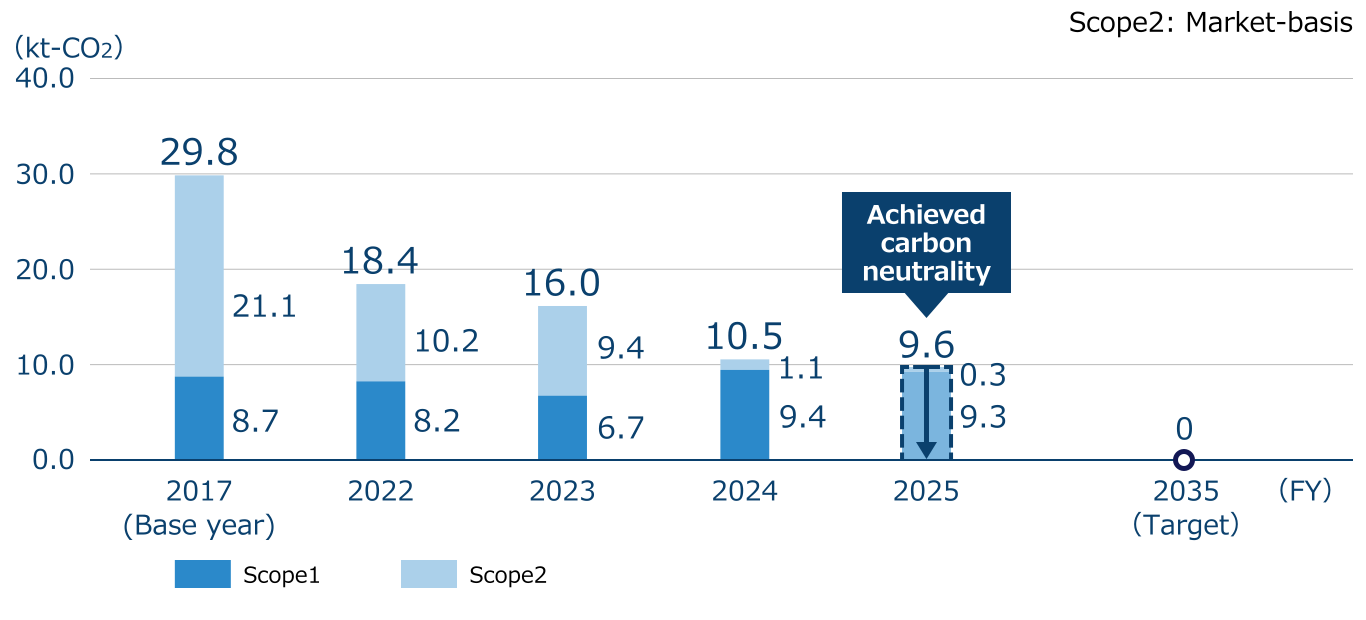
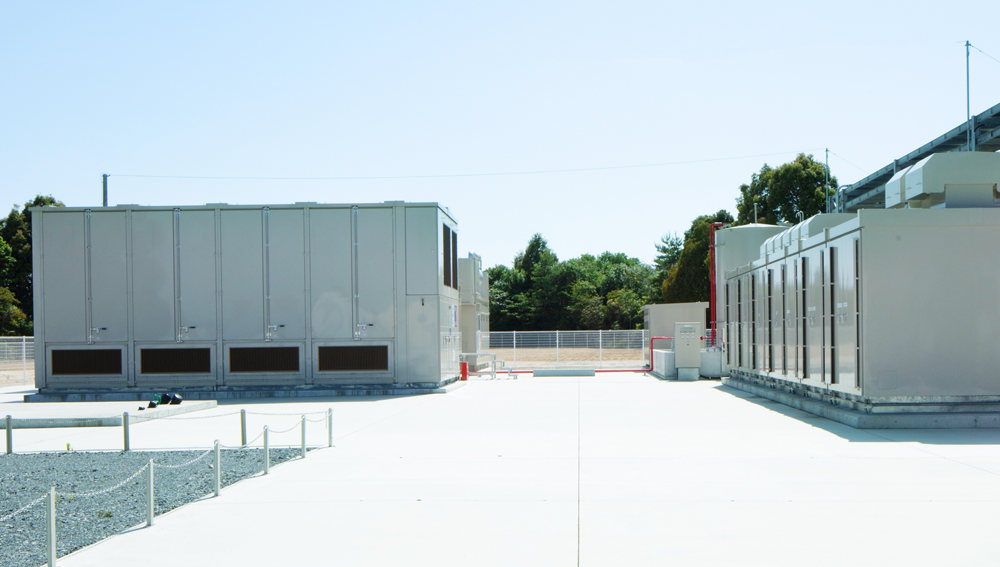
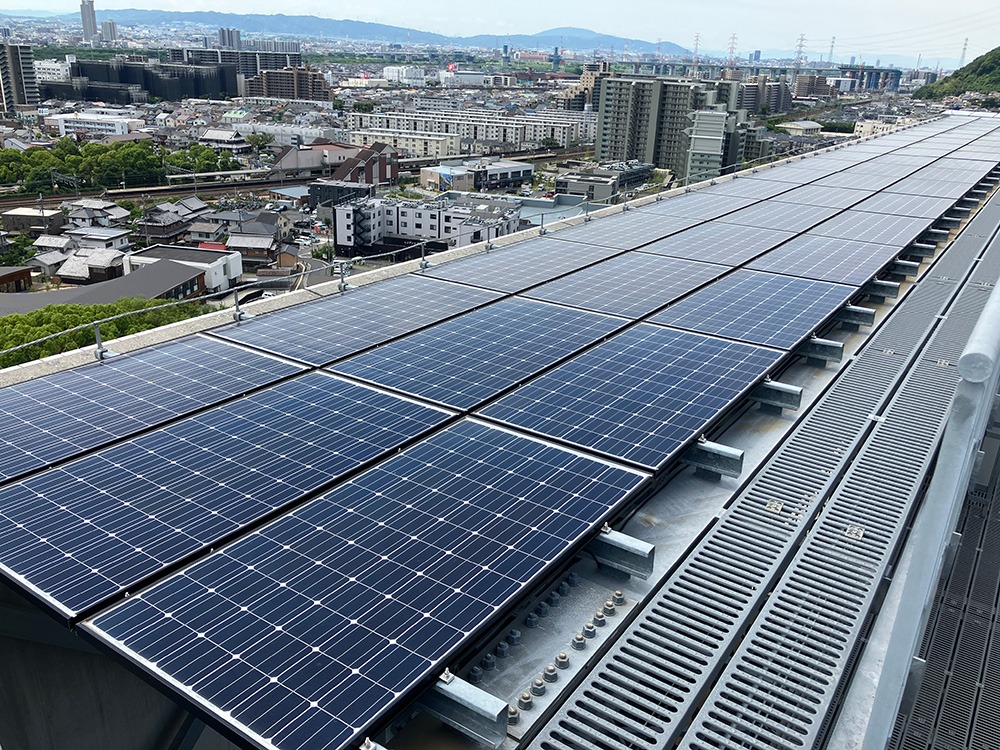
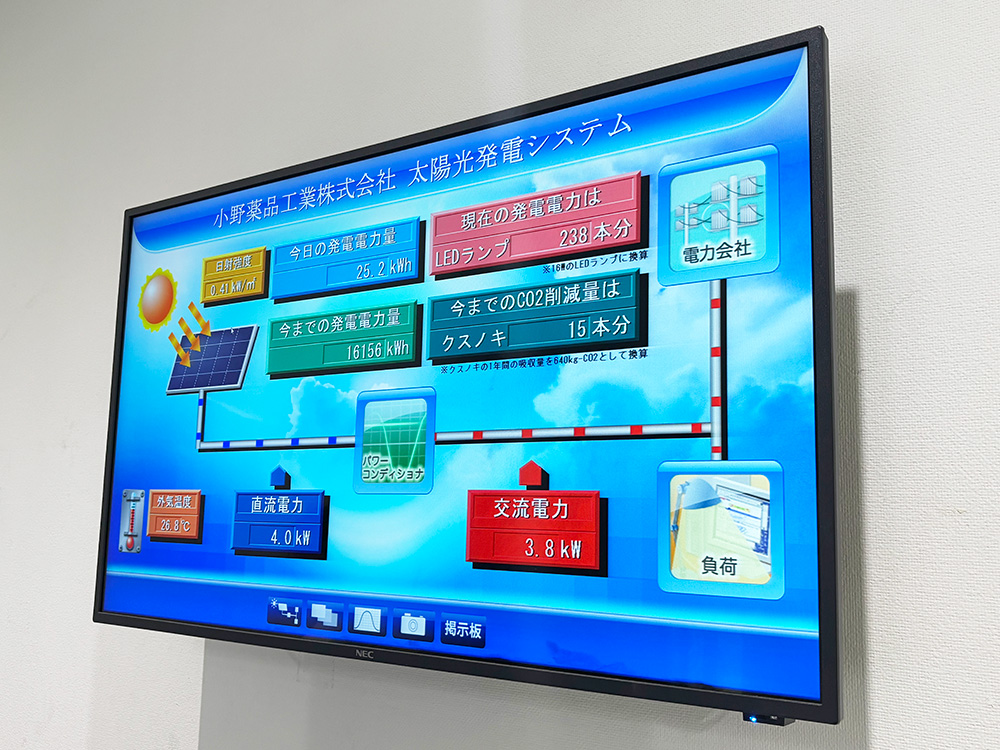
We have achieved all of the targets set until FY2025 for achieving our medium- to long-term targets. We offset Scope 1 GHG emissions by purchasing carbon-offset city gas at all of our major facilities (Fujiyama Plant, Yamaguchi Plant, Minase Research Institute, Tsukuba Research Institute, and Joto Pharmaceutical Product Development Center), and offset the remaining approximately 2,500 metric tons of CO2 using carbon credits. In addition, with regard to our Scope 2 GHG emissions, we achieved 100% renewable energy for the electricity purchased by all of ONO’s domestic business locations. Furthermore, starting in FY2024, part of the electricity contracts for the Minase Research Institute, the Joto Pharmaceutical Product Development Center, and our Headquarters were switched to PPAs (Power Purchase Agreements). As a result, in FY2025, we offset only the approximately 320 metric tons of CO2 emissions generated by tenant buildings—such as branch offices where it is difficult to switch to renewable energy—using carbon credits.
Scope 1+2 Greenhouse gas emissions*1
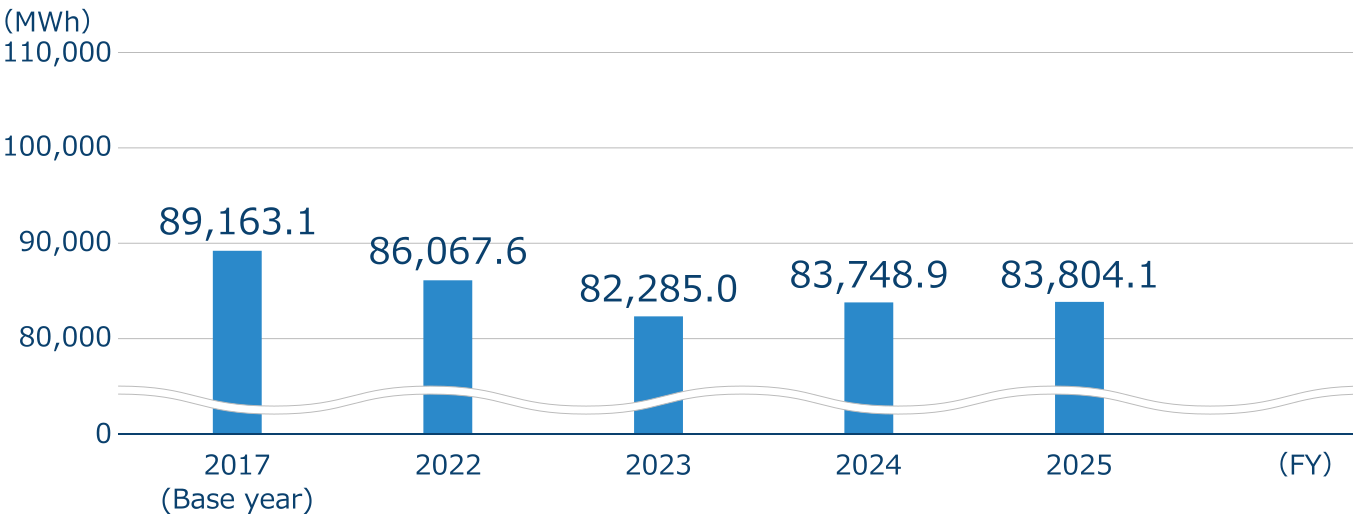
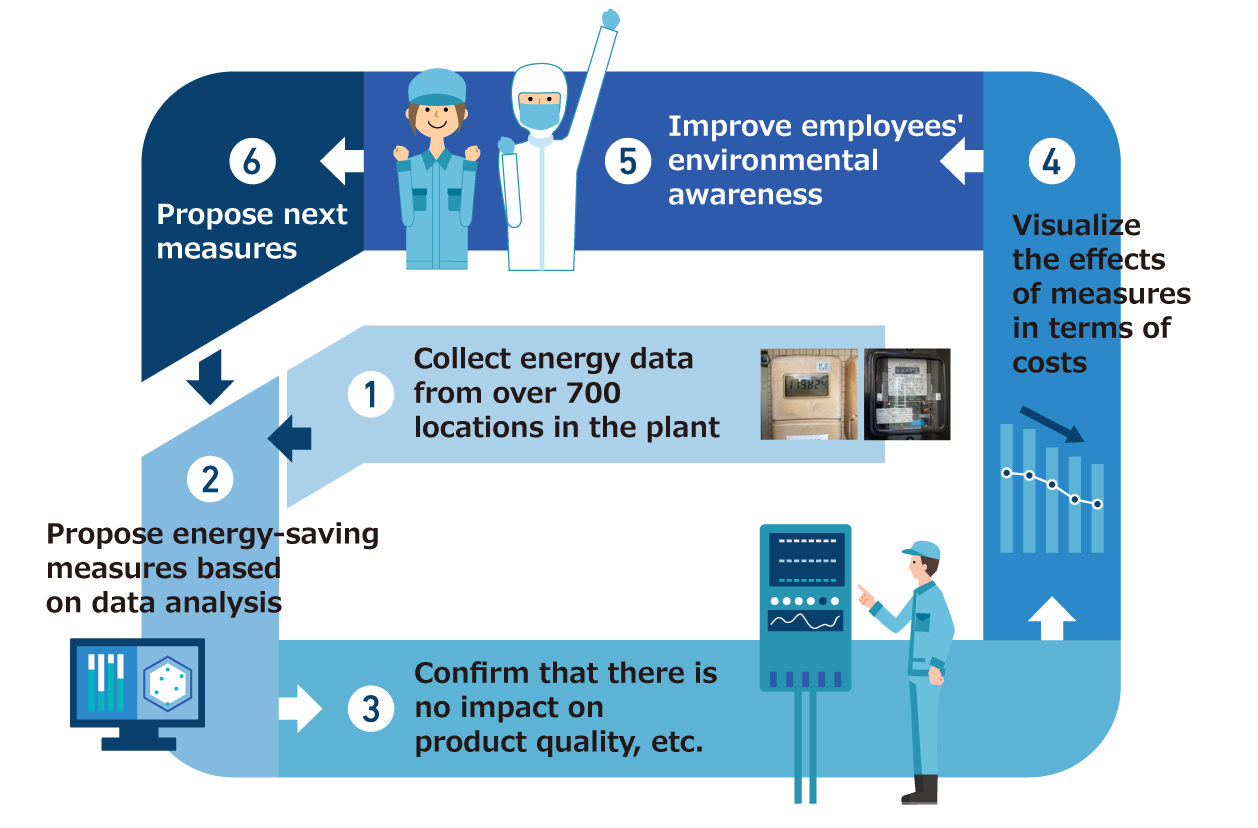
Energy consumption
Electricity consumption and renewable energy utilization rate
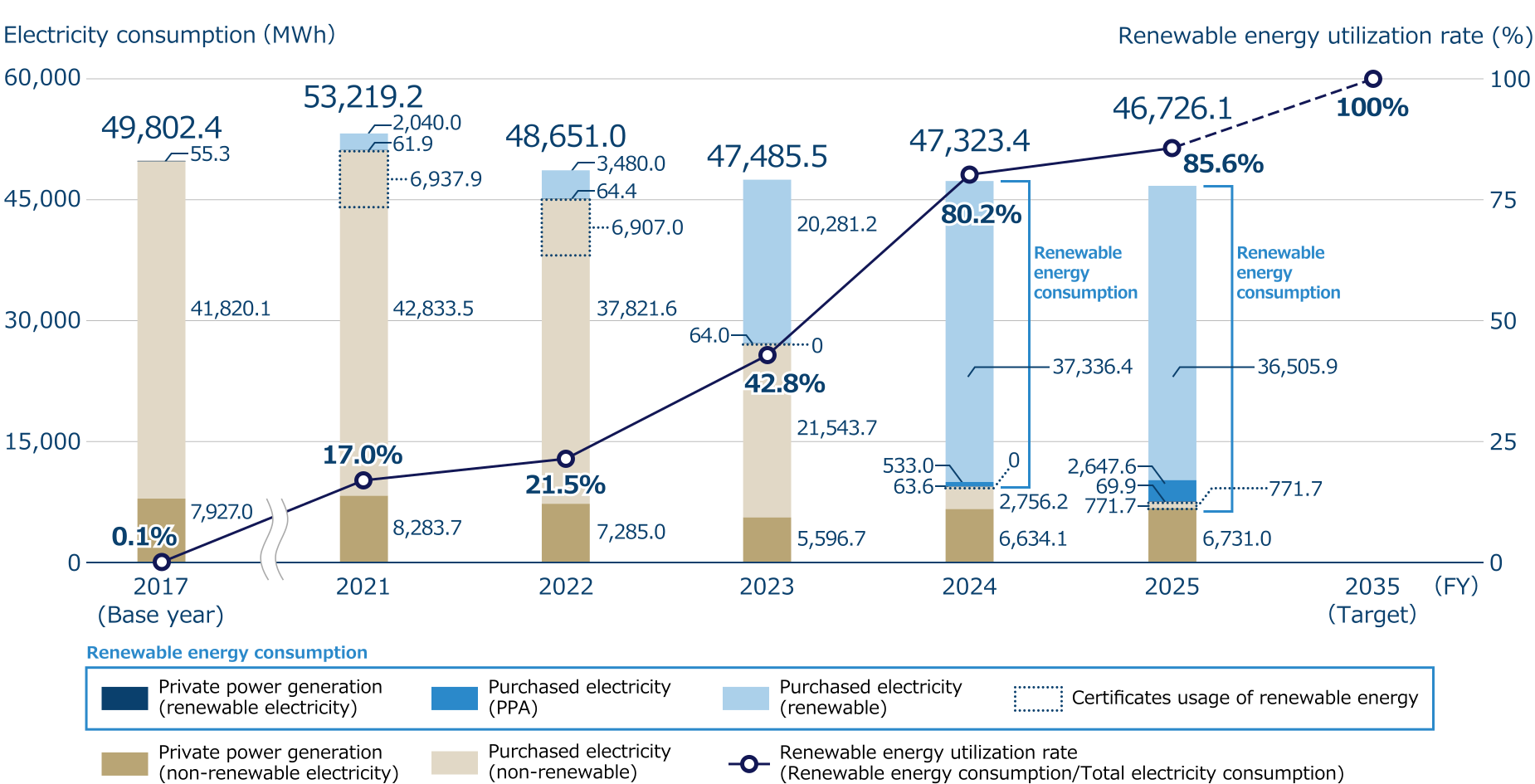
We have established a policy for reducing GHG emissions based on recent energy market trends, costs, and projected changes in emission factors. Our priority measures are avoidance (creating systems that do not use energy), reduction (promoting energy conservation activities), substitution (switching to renewable energy sources, etc.), and offsetting (offsetting through the use of credits).
In addition, in order to promote low-carbon investments and climate change prevention measures, we have set our own internal price for carbon dioxide (CO2) emissions, introduced internal carbon pricing to be used for making investment decisions, and are promoting investments geared toward realizing a decarbonized society.
Scope 1+2 GHG emissions Reduction Roadmap

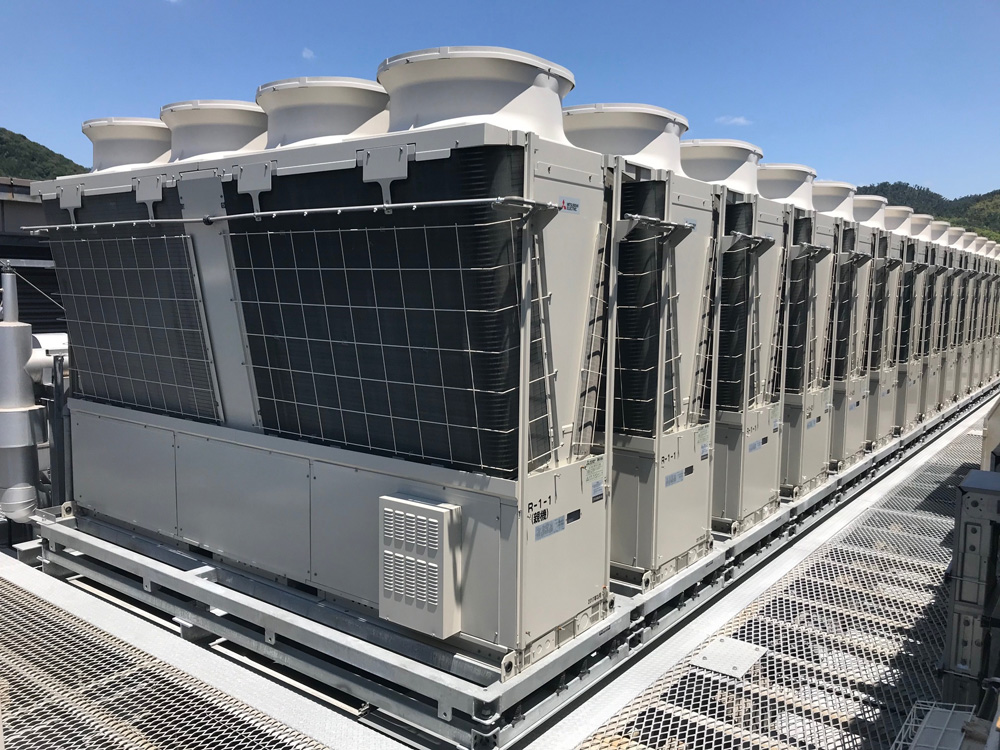
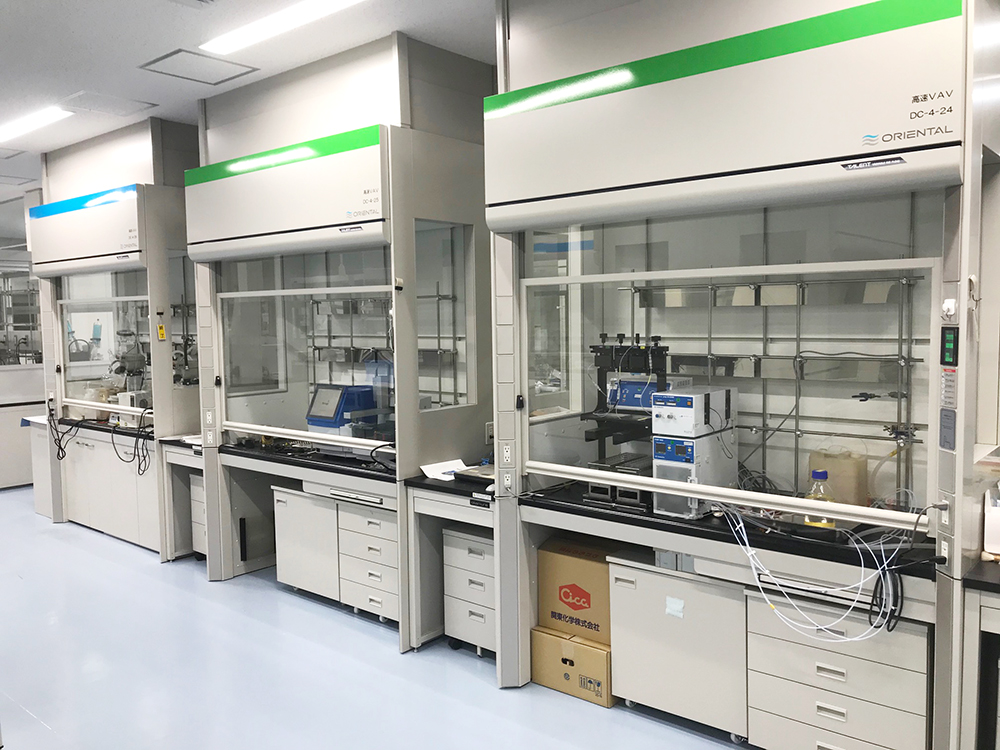
Demand response is positioned as an "optimization of electricity demand" under the Act on Rationalizing Energy Use and Shifting to Non-fossil Energy ("Revised Energy Conservation Act"). We have been striving to optimize the balance of demand and supply of electricity, in addition to electricity saving during regular time since FY2020 by saving and storing electricity (response) in response to the requests from power companies (demand).
At the Yamaguchi Plant, the system was modified to allow remote charging and discharging of NAS batteries for efficient demand response.
In accordance with the Act on Rational Use and Proper Management of Fluorocarbons (Fluorocarbon Emissions Control Act), we conduct activities, such as the identification of equipment subject to the Act, simple inspections/periodic inspections, generation of records, and calculations/reporting of leakage, etc. In FY2024, the calculated leakage of fluorocarbons was 0.6 ktons-CO2. We will continue to prevent leakage and promote the introduction of non-CFC (chlorofluorocarbon) and low-GWP (global-warming potential) equipment in view of the reduction of fluorocarbons emissions. In addition, during FY2025, we completely abolished all equipment using CFCs, which include ozone-depleting substances.
We have been promoting environmentally friendly office designs, and our Tokyo Building has obtained an S-Class rating under the CASBEE® (Comprehensive Assessment System for Built Environment Efficiency) *1 certification system. For our U.S. office, we have also selected a building that has received a Gold-level LEED*2 certification. In addition, the administration and welfare building at the Yamaguchi Plant has been designed in an environmentally friendly manner that makes use of energy-saving equipment.
In order to develop more environmentally friendly manufacturing processes for active pharmaceutical ingredients (API), we adopt the Green Sustainable Chemistry (GSC) concept from the research and development stage. GSC is defined as "chemistry that is friendly to people and the environment and supports the development of a sustainable society." We use Process Mass Intensity* (PMI) as an indicator for evaluating the efficiency of API manufacturing, and are working to develop manufacturing processes for APIs in a manner that is conscious of reducing our impact on the environment from the research-and-development stage. As an example of PMI reduction, in a project currently in the clinical development phase (Phase 2), ongoing improvement efforts have resulted in a reduction of PMI by approximately 60% from Phase 1, and that robustness has been demonstrated in GMP manufacturing on a 100-kg scale. In addition, in recent years, we introduced a new function in our electronic laboratory notebooks that can automatically calculate the PMI for each reaction step, and we are working to establish a system that enables frontline researchers to conduct process development on a daily basis with environmental impact in mind.
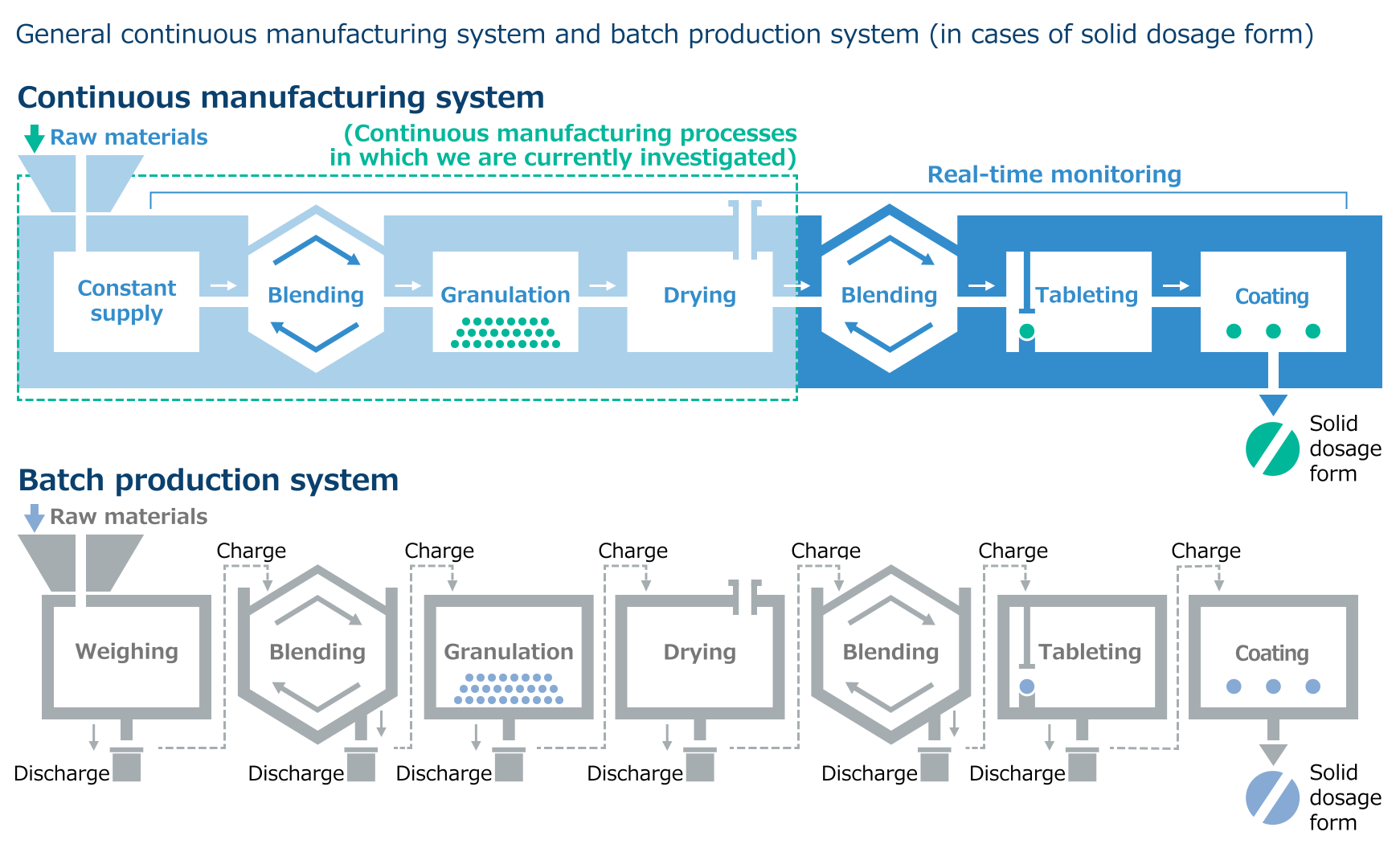
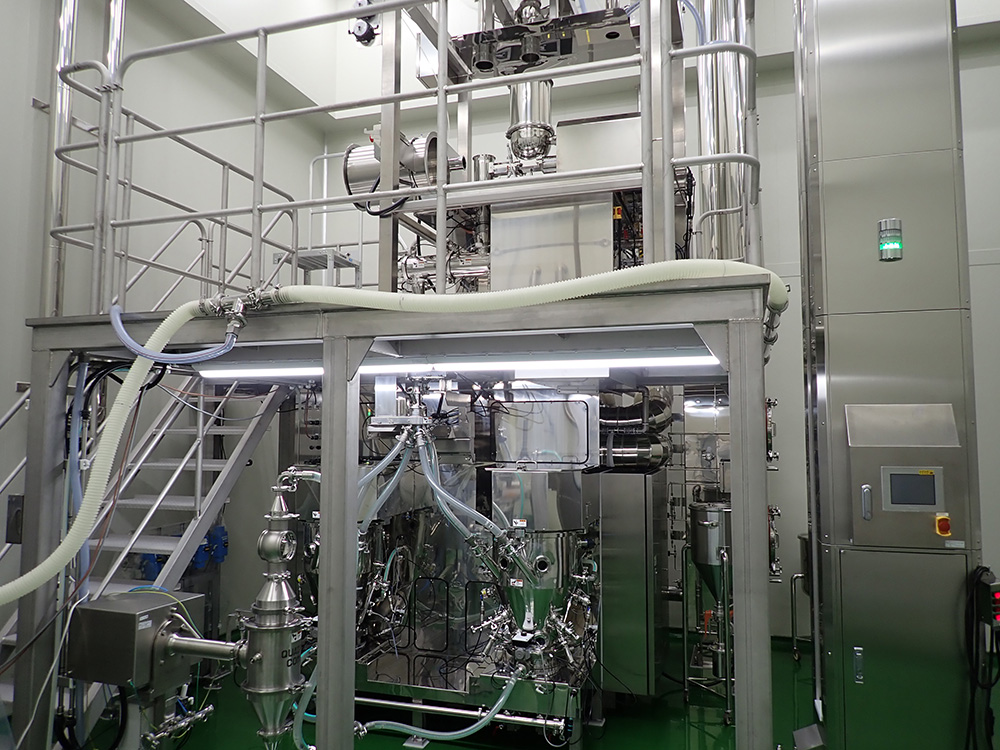
“Batch manufacturing,” which is the mainstream method in pharmaceutical manufacturing, involves a series of independent processes—such as weighing, mixing, granulation, drying, tableting, and coating—which are typical steps in the production of tablets, for example. The product is isolated in each process before moving on to the next, and this sequence is repeated to manufacture the pharmaceutical product. In “continuous manufacturing,” on the other hand, multiple processes are integrated into a single process by linking together compact equipment so that production is carried out continuously while each process is controlled for a fixed period of time. Continuous manufacturing therefore offers advantages such as more consistent quality as well as more efficient use of space. At ONO as well, for manufacturing methods that can be suitable for continuous manufacturing, we are in the process of transitioning the “granulation” and “drying” processes of the manufacturing process from batch manufacturing to continuous manufacturing, and we expect that this transition will enable us to reduce the amount of raw materials (weight) required for development stage by approximately 23%* compared to the batch manufacturing system. In addition, due to space saving, the continuous manufacturing system is expected to be able to reduce facility-operation-related energy consumption by 24.3% compared to batch production. We intend to further expand the scope of continuous manufacturing to achieve further energy and raw material reductions.
Continuous manufacturing processes in which we are currently investigated
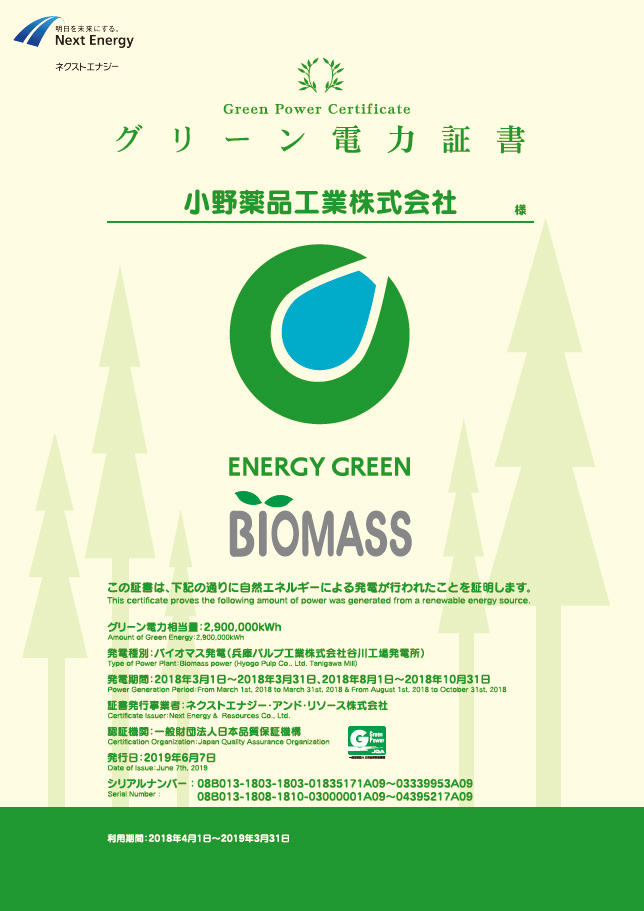 Green Energy Certificate
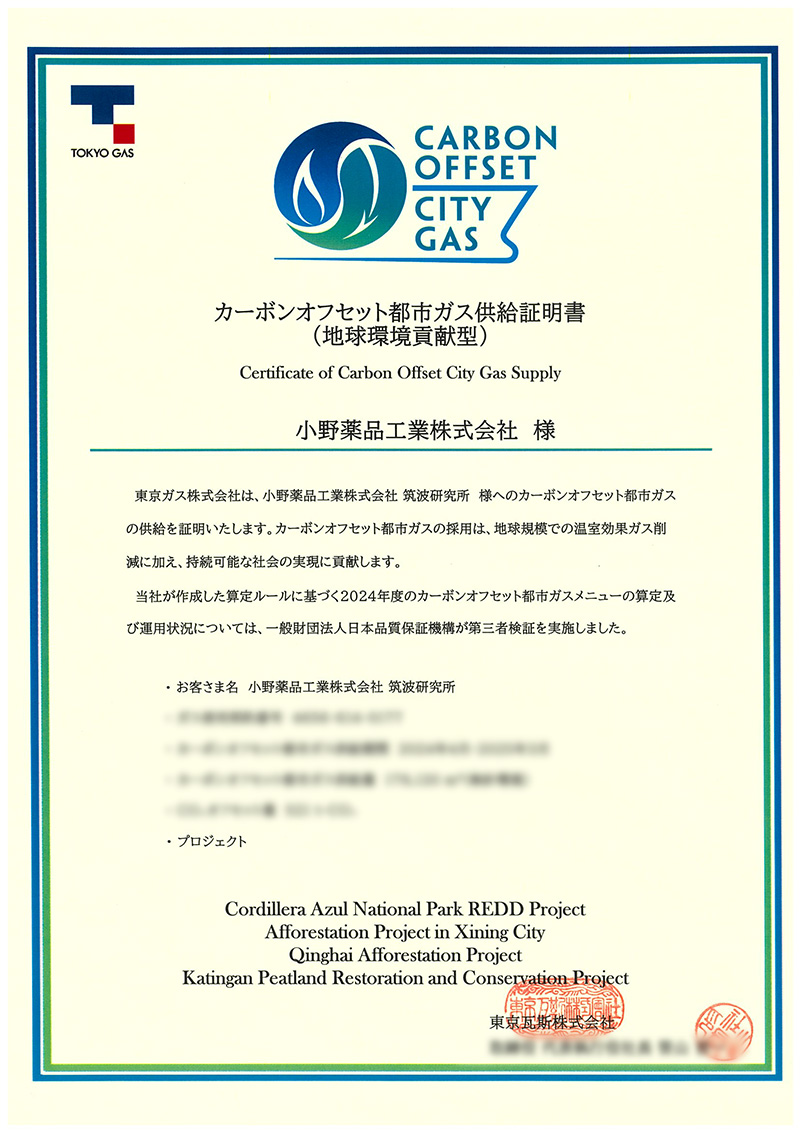 Certificate of Carbon offset city gas Supply
Collaboration with business partners is essential to reducing Scope 3 emissions. That is why we are working together with business partners in our supply chain to solve societal issues by promoting sustainability-related initiatives in areas such as the natural environment, human rights, and working conditions (For more details, please see here.).
In the logistics from our distribution centers to pharmaceutical wholesalers, we began joint transportation in compliance with GDP guidelines with four companies in January 2023. This initiative not only enhances the quality assurance of prescription pharmaceuticals, but also improves loading efficiency, leading to a reduction in the number of truck trips and expected CO2 emissions.
Furthermore, in FY2024, we launched an initiative to consolidate shipping days and reduce delivery frequency, with the aim of strengthening a sustainable logistics system and addressing the “2024 Logistics Problem*.” As a result, transportation efficiency has been further improved, contributing to work style reforms for workers, the stable retention of trucks and drivers, and further reductions in CO2 emissions.
As part of our GHG reduction efforts, we started using the “GreenEX” service in April 2025, which achieves virtually zero CO2 emissions for travel on the Tokaido, Sanyo, and Kyushu Shinkansen lines. “GreenEX” is a service that uses CO2-free electricity* to make CO2 emissions from Shinkansen travel virtually zero. By introducing this service, we reduced CO2 emissions associated with our employees’ business trips by approximately 200 metric tons of CO2 in FY2025. We will continue to promote decarbonization initiatives.